
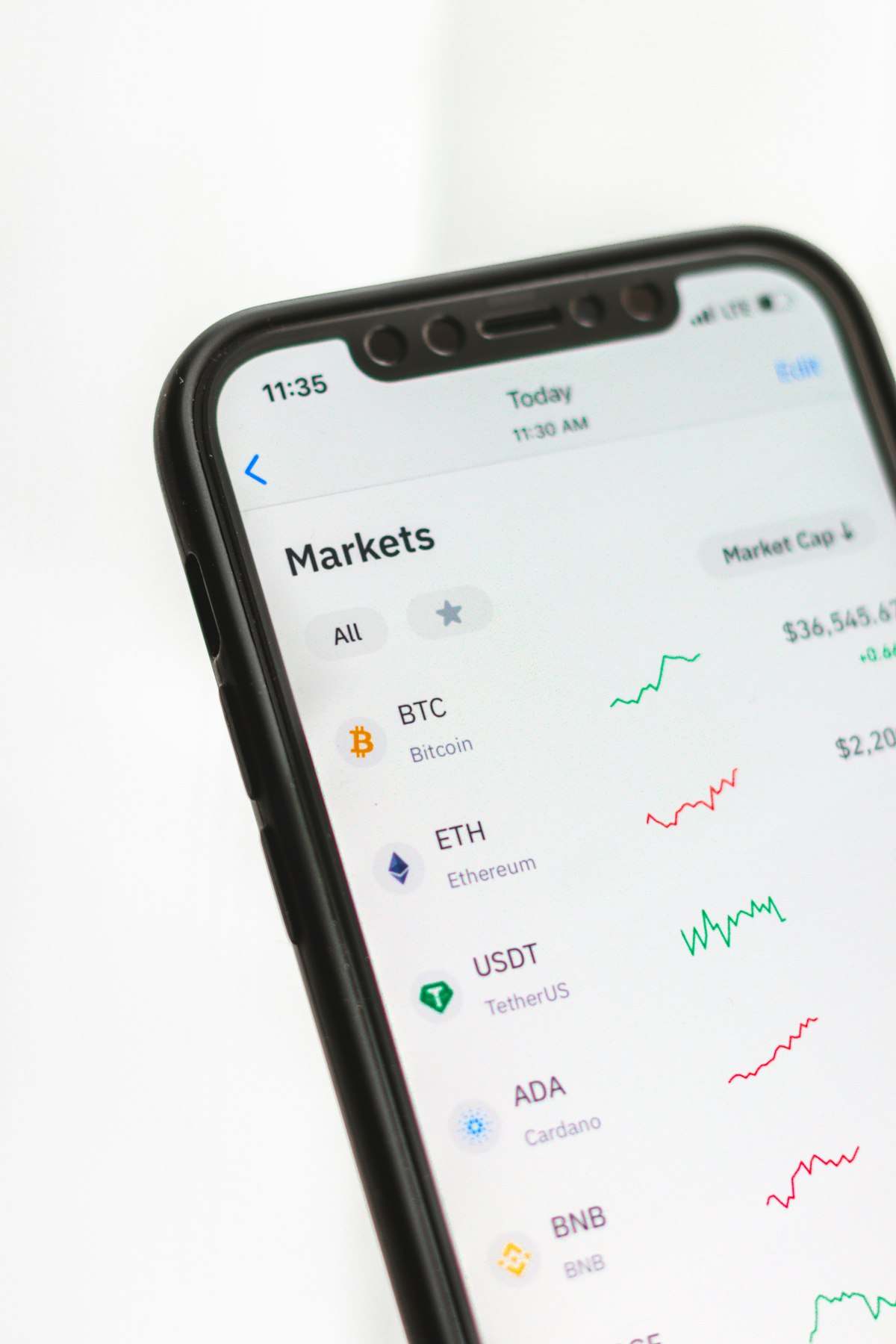
Cryptocurrency in 2026: What's Changed
The cryptocurrency landscape has matured significantly. Bitcoin and Ethereum have gained institutional acceptance, regulatory clarity has improved, and blockchain technology continues transforming industries.
However, cryptocurrency remains volatile and speculative. Understanding the fundamentals and managing risk is crucial for successful crypto investing in 2026.
What is Cryptocurrency?
Cryptocurrency is digital money secured by cryptography and running on blockchain technology. Unlike traditional currencies, cryptocurrencies operate without central banks or government control.
Key Concepts to Understand
- Blockchain: Distributed ledger recording all transactions
- Decentralization: No single entity controls the network
- Wallet: Software or hardware storing your crypto
- Private Keys: Secret codes proving ownership
- Smart Contracts: Self-executing agreements on blockchain
Top Cryptocurrencies in 2026
Bitcoin (BTC)
The original cryptocurrency and digital gold. Market cap exceeds $1 trillion. Bitcoin is the most widely accepted and recognized crypto asset.
Use case: Store of value, digital gold
Risk level: Lower than other cryptos but still volatile
Ethereum (ETH)
The leading smart contract platform. Ethereum powers decentralized finance (DeFi), NFTs, and thousands of applications.
Use case: Decentralized applications, DeFi
Risk level: Moderate to high
Solana (SOL)
High-performance blockchain with fast transactions and low fees. Growing ecosystem of DeFi and NFT projects.
Use case: Fast, cheap transactions
Risk level: High
Cardano (ADA)
Research-driven blockchain focusing on scalability and sustainability. Peer-reviewed development approach.
Use case: Enterprise adoption, smart contracts
Risk level: Moderate to high
How to Buy Cryptocurrency
Step 1: Choose an Exchange
Top exchanges in 2026:
- Coinbase - Best for beginners, user-friendly
- Binance - Lowest fees, wide selection
- Kraken - Strong security, good for advanced traders
- Gemini - Regulated, insurance-backed
Step 2: Complete Verification
Exchanges require identity verification (KYC) to comply with regulations. You'll need government ID and proof of address.
Step 3: Fund Your Account
Link a bank account for ACH transfers or use wire transfers for larger amounts. Most exchanges also accept debit cards (with higher fees).
Step 4: Place Your Order
Start with a market order for simplicity. Advanced orders like limit orders give you price control.
Step 5: Transfer to a Wallet
For significant holdings, transfer crypto to a personal wallet. Exchanges can be hacked or fail.
Cryptocurrency Investment Strategies
1. Buy and Hold (HODL)
Purchase and hold for the long term, ignoring short-term volatility. Bitcoin has rewarded patient holders historically.
2. Dollar-Cost Averaging
Invest a fixed amount regularly regardless of price. This reduces the impact of volatility and removes emotional decisions.
3. Portfolio Allocation
Allocate only a small percentage (1-5%) of your portfolio to crypto. Never invest more than you can afford to lose.
4. Staking
Earn rewards by holding and "staking" proof-of-stake cryptocurrencies. Ethereum staking offers 3-5% annual returns.
Cryptocurrency Security Best Practices
Use Hardware Wallets
Store significant holdings in hardware wallets like Ledger or Trezor. These offline devices are immune to hacking.
Enable Two-Factor Authentication
Always use 2FA on exchanges and email accounts. Prefer authenticator apps over SMS verification.
Never Share Private Keys
Your private keys are your crypto. Anyone with access can steal your funds. Never share them with anyone.
Beware of Scams
Common scams include phishing emails, fake exchanges, pump-and-dump schemes, and fraudulent ICOs. Verify everything.
Tax Implications of Cryptocurrency
In 2026, cryptocurrency transactions are taxable events in most countries:
- Selling crypto for profit triggers capital gains tax
- Trading one crypto for another is taxable
- Earning staking rewards creates taxable income
- Keep detailed records of all transactions
Common Crypto Investing Mistakes
Investing More Than You Can Afford
Crypto can lose 50%+ in weeks. Only invest money you can afford to lose entirely.
FOMO Buying
Buying during price spikes often leads to losses. Develop a strategy and stick to it.
Keeping Funds on Exchanges
Exchanges have been hacked throughout crypto history. Transfer significant holdings to personal wallets.
Ignoring Fees
Exchange fees, network fees, and spread can eat into returns. Compare fees across platforms.
Is Cryptocurrency Right for You?
Consider crypto investing if you:
- Have a solid emergency fund and traditional investments
- Understand the risks and volatility
- Have a long-term time horizon (5+ years)
- Can tolerate seeing your investment drop 50%+
Conclusion
Cryptocurrency offers exciting investment opportunities but comes with significant risks. Start small, secure your holdings, and never invest more than you can afford to lose. With proper risk management, crypto can be a valuable addition to a diversified portfolio.

Comments
Comments are coming soon. Stay tuned!