

You Have $1000 - Now What?
$1000 is a great starting point for investing. While it may not seem like much, invested wisely, it can grow significantly over time. At 8% average return, $1000 grows to $2,159 in 10 years, $4,661 in 20 years, and $10,063 in 30 years.
But where should you put it? This guide covers 7 smart investment options for your first $1000. Before diving in, make sure you understand investing basics for beginners.
Before You Invest: The Prerequisites
Before investing your $1000, ensure you have:
- A starter emergency fund ($1000 minimum) - Read our emergency fund guide
- No high-interest debt (20%+ APR) - Check our debt payoff strategies
- Clear investment goals - Learn about setting financial goals
If you're unsure whether to save or invest, read emergency fund vs investing to determine the right priority.
7 Smart Ways to Invest $1000
1. S&P 500 Index Fund (Best Overall)
Invest in the 500 largest US companies with one purchase. Historically returns 7-10% annually.
Options: VOO, SPY, IVV
Why it's smart: Instant diversification, low fees, proven track record
Learn more: Read our best investment strategies and compound interest guide
2. Total Stock Market Index Fund
Own the entire US stock market - over 4,000 companies. Even broader diversification than S&P 500.
Options: VTI, SCHB, FZROX
Why it's smart: Maximum diversification, includes small and mid-cap companies
Learn more: Check our complete beginner's investing guide
3. Roth IRA Contribution
Invest through a Roth IRA for tax-free growth and withdrawals in retirement.
Why it's smart: Tax-free growth, no taxes on withdrawals, compound over decades
2026 contribution limit: $7,000
Learn more: Read our retirement planning guide and 401(k) mistakes to avoid
4. Target Date Fund
One fund that automatically adjusts allocation based on your retirement year.
Why it's smart: Hands-off investing, professional management, auto-rebalancing
Best for: Set-and-forget investors
Learn more: See robo-advisors vs financial advisors
5. Dividend ETF
Invest in companies that pay regular dividends. Generate passive income from your $1000.
Options: SCHD, VIG, HDV
Why it's smart: Income generation, dividend growth, stability
Learn more: Read our dividend investing guide
6. Fractional Shares of Great Companies
Buy fractional shares of blue-chip stocks like Apple, Microsoft, or Amazon.
Why it's smart: Own great companies with just $1000
Best for: Learning stock investing with small amounts
Learn more: Check best investment apps for fractional share options
7. Real Estate Investment Trust (REIT)
Invest in real estate without buying property. REITs pay dividends and offer property exposure.
Options: VNQ, O, STAG
Why it's smart: Real estate exposure, dividend income, low minimum
Learn more: Read our real estate investing guide
Investment Strategies for Small Amounts
Dollar-Cost Averaging
Instead of investing $1000 all at once, consider $100 monthly over 10 months. This reduces timing risk.
Learn more in our investment strategy guide.
Lump Sum vs DCA
Research shows lump sum investing beats dollar-cost averaging 2/3 of the time. But DCA reduces regret if markets drop.
Growing Your $1000 Further
Add Monthly Contributions
$1000 initial + $200 monthly at 8% return:
- 10 years: $38,884
- 20 years: $117,714
- 30 years: $298,071
Learn how to build wealth from nothing through consistent investing.
Reinvest Dividends
Dividend reinvestment compounds growth. Read how compound interest works.
Avoid Fees
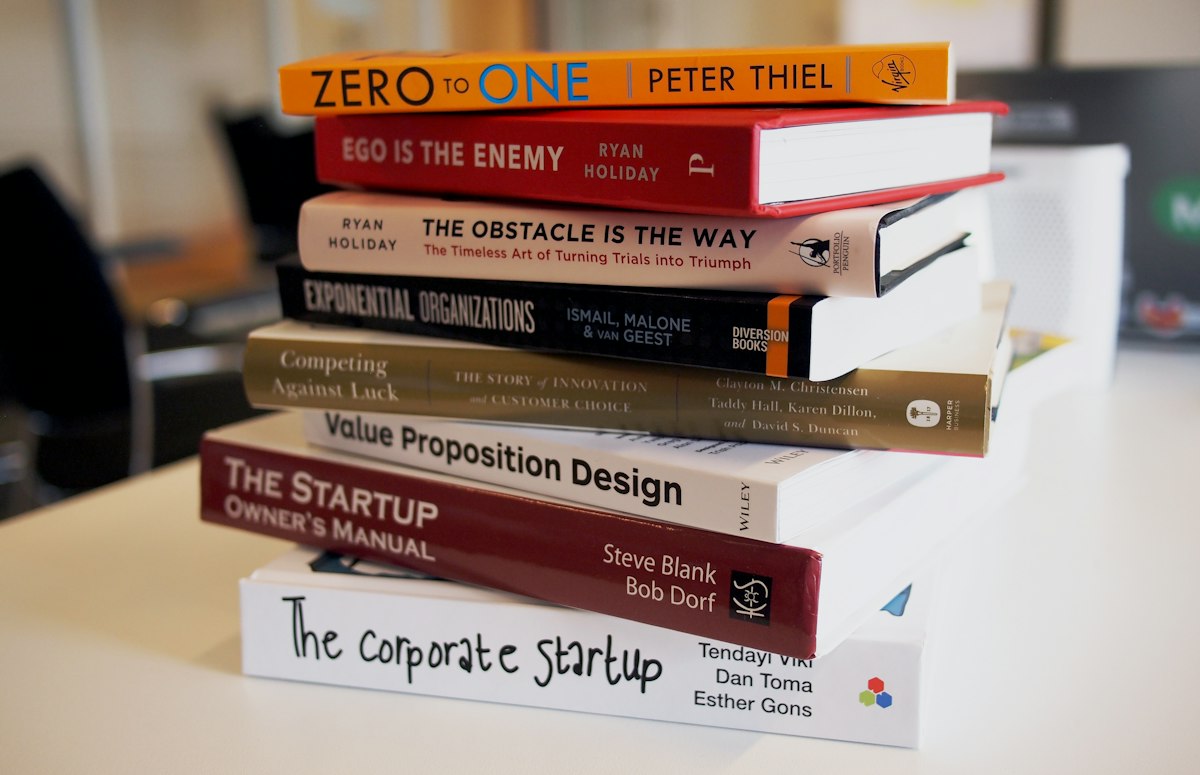
Choose low-cost index funds. Check our investment books guide for fee education.
Common Mistakes with $1000 Investments
Gambling on Penny Stocks
Your first $1000 shouldn't go to speculative investments. Build a foundation first.
Investing in Crypto Entirely
Cryptocurrency is volatile. If interested, allocate only 5-10%. Learn more in our crypto investing guide.
Waiting for "More Money"
$1000 is enough to start. Read how to start with just $10.
Conclusion
Your $1000 can be the foundation of significant wealth. Choose the option matching your goals, start now, and add consistently over time. Combine with knowledge from our beginner's investing guide and compound interest guide to maximize your returns. Start today!



Comments
Comments are coming soon. Stay tuned!