
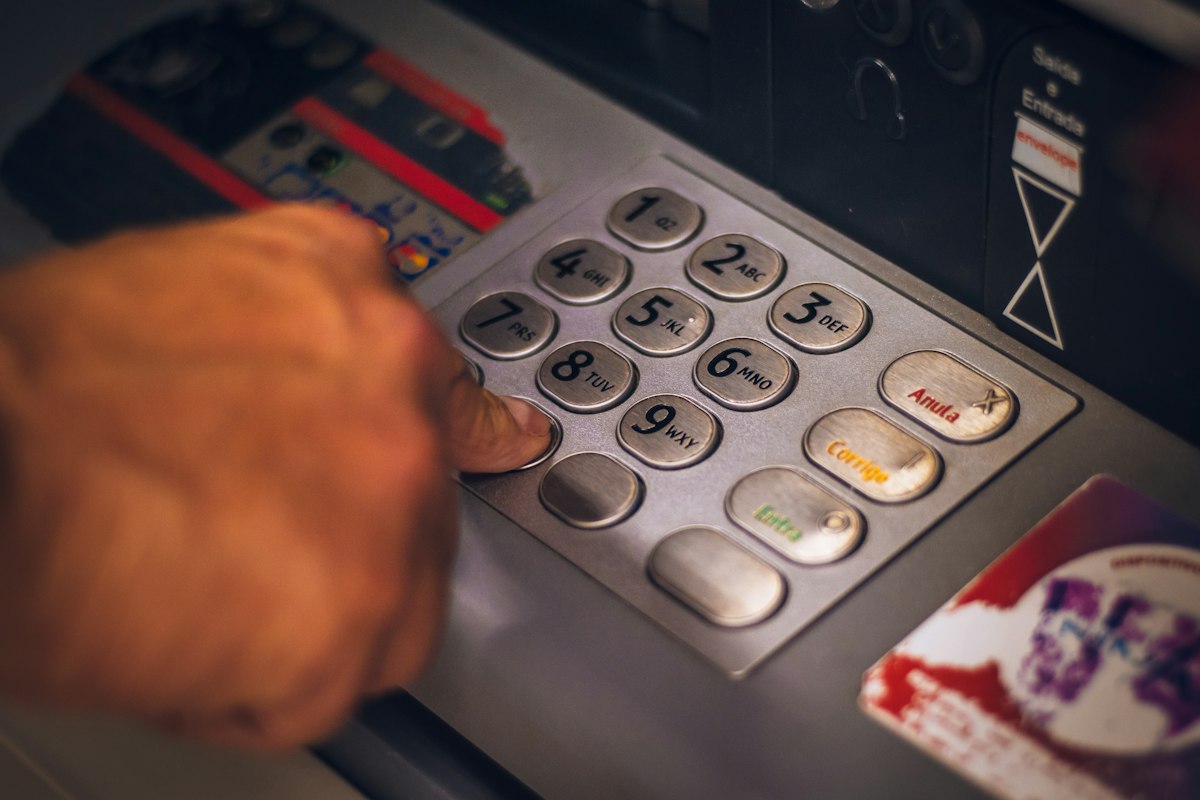
Why You Need an Emergency Fund in 2026
In today's uncertain economy, having an emergency fund is more critical than ever. With inflation still affecting household budgets and job market fluctuations, financial experts agree that a solid emergency fund is your first line of defense against unexpected expenses.
A 2025 survey revealed that 57% of Americans cannot cover a $1,000 emergency expense from savings. This financial vulnerability leads to credit card debt, payday loans, and long-term financial stress.
How Much Should You Save?
The traditional advice of 3-6 months of expenses still holds true in 2026, but with some modifications based on your situation.
Minimum Baseline: $1,000
Start with a starter emergency fund of $1,000. This covers most minor emergencies like car repairs, medical copays, or appliance replacements.
Standard Recommendation: 3-6 Months
Once you have $1,000 saved, build up to 3-6 months of essential expenses. Calculate this by tracking your monthly spending on housing, food, utilities, transportation, and insurance.
Extended Coverage: 9-12 Months
If you're self-employed, have irregular income, or work in an unstable industry, aim for 9-12 months of expenses. This provides extra security during economic downturns.
Where to Keep Your Emergency Fund
1. High-Yield Savings Account (HYSA)
In 2026, many online banks offer 4-5% APY on high-yield savings accounts. This keeps your money liquid while earning meaningful interest.
Top options include Ally Bank, Marcus by Goldman Sachs, and Discover Bank. Look for accounts with no fees and no minimum balance requirements.
2. Money Market Account
Money market accounts often offer slightly higher rates than savings accounts and may include check-writing privileges. However, they may require higher minimum balances.
3. Certificate of Deposit (CD) Ladder
For a portion of your emergency fund, consider a CD ladder strategy. Split your savings across CDs with different maturity dates to balance liquidity with higher returns.
How to Build Your Emergency Fund Faster
Strategy 1: Automate Your Savings
Set up automatic transfers from your checking to savings account on payday. Even $50 per paycheck adds up to $1,300 per year. Automating removes the temptation to spend the money instead.
Strategy 2: Reduce Major Expenses
Audit your three biggest expenses: housing, transportation, and food. Consider these cost-saving moves:
- Negotiate your rent or consider a roommate
- Refinance your car loan for lower payments
- Switch to a cheaper cell phone plan
- Meal prep instead of eating out
Strategy 3: Boost Your Income Temporarily
Take on side hustles specifically to fund your emergency savings. Options include ride-sharing, food delivery, freelance work, or selling unused items online.
Strategy 4: Save Windfalls
Commit to saving at least 50% of any unexpected money: tax refunds, bonuses, gifts, or overtime pay. A $3,000 tax refund can jumpstart your emergency fund.
Common Emergency Fund Mistakes to Avoid
Mistake 1: Keeping It Too Accessible
If your emergency fund is in your regular checking account, you might be tempted to spend it. Use a separate savings account, preferably at a different bank.
Mistake 2: Investing It Aggressively
Emergency funds should be liquid and stable. Avoid stocks, crypto, or other volatile investments for this money.
Mistake 3: Setting Unrealistic Goals
Don't try to save six months of expenses in one month. Start small and build gradually. Even $500 saved is better than nothing.
Mistake 4: Using It for Non-Emergencies
Define what constitutes an emergency before you need the money. Vacations, holiday shopping, and new electronics are not emergencies.
When to Use Your Emergency Fund
True emergencies include:
- Job loss or income reduction
- Medical emergencies not covered by insurance
- Essential car or home repairs
- Unexpected travel for family emergencies
Rebuilding After Using Your Fund
If you use your emergency fund, pause other financial goals temporarily and focus on rebuilding. Return to your saving strategies until the fund is restored.
2026 Emergency Fund Targets
Based on average household expenses in 2026:
- Single person: $2,500-3,500 per month × 3-6 months = $7,500-$21,000
- Couple: $4,000-5,500 per month × 3-6 months = $12,000-$33,000
- Family of four: $6,000-8,000 per month × 3-6 months = $18,000-$48,000
Conclusion
Building an emergency fund is the foundation of financial security. Start today, even if you can only save $25 per paycheck. The peace of mind from knowing you're prepared for financial surprises is priceless.



Comments
Comments are coming soon. Stay tuned!